The convergence of Large Language Models (LLMs) and Convolutional Neural Networks (CNNs) is fundamentally transforming radio spectrum analysis from a manual, expertise-dependent process into an intelligent, self-improving system.
Spectrum analysis and signal identification is challenging because of the range of waveforms that exist in any given frequency band. In addition to the crowded spectrum, the environment tends to be diverse in terms of propagation conditions and non-cooperative interference sources.
Doppler signals of a radar are used to filter moving objects from complicated background noise. For air surveillance radar, Doppler filtering can be relatively easy because targets move faster than the background noise.
Effective AI image recognition software not only decodes images, it also has a predictive ability. Software trained to interpret images is smart enough to identify objects, places, people, signals and actions in images or videos.
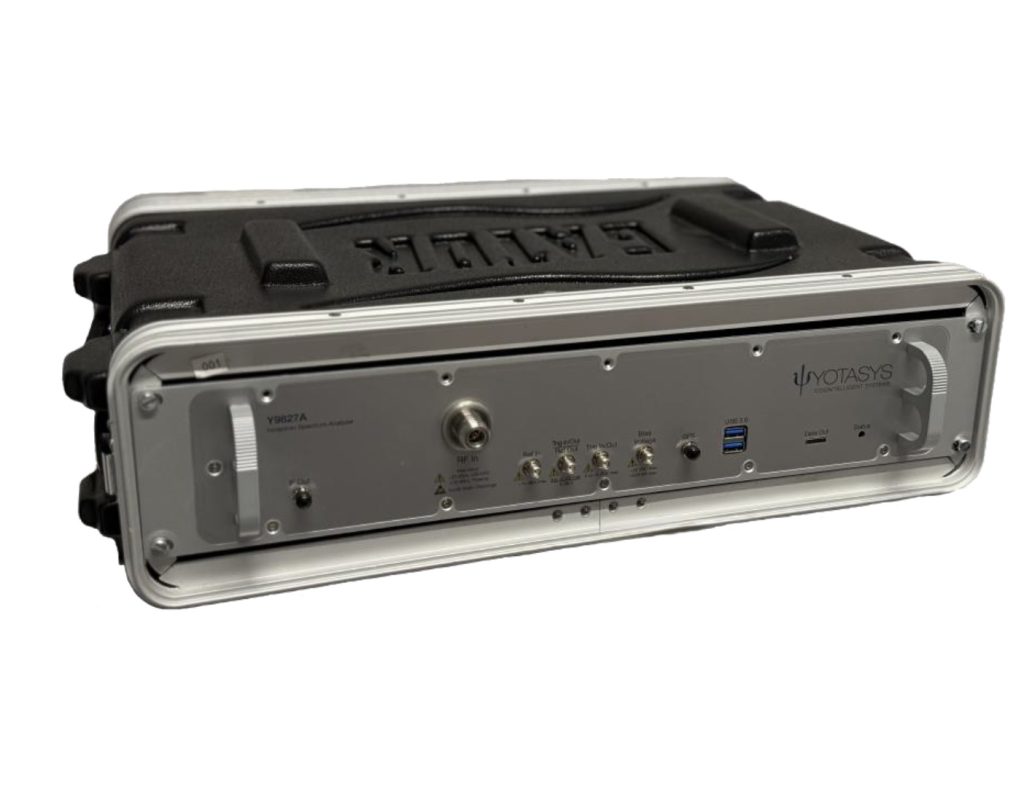
Server-based instruments that plan, run and interpret measurements autonomously.
Spectrum and signal analysis with cognitive signal processing built in.
Cognitive radar with adaptive waveforms for reliable detection and tracking.
Intelligent vision systems that detect, classify and track objects.
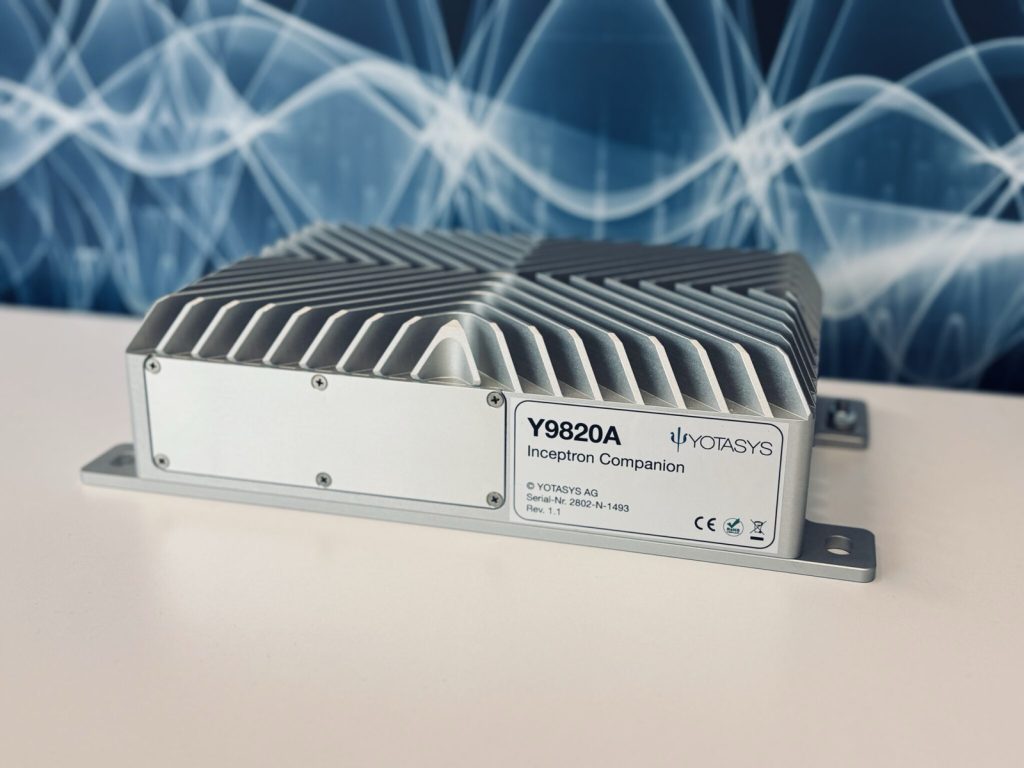
Field platforms that carry sensing to where the signals are.
LIDAR products are coming soon.
Instruments that expose a native MCP server for people and AI agents.
RF and microwave
View product →